Neighbors, Water, and Wildflowers: Building Resilient Streets Together

Today we focus on community rain gardens across the United Kingdom, showing how ordinary residents, schools, and councils transform heavy downpours into beauty, biodiversity, and calmer drains. Discover practical steps, real stories, and generous advice that turn kerbside puddles into thriving pockets of habitat, reduce local flooding, invite pollinators, and create pride on every street. Join in, swap tips with others, and help your corner of the UK bloom after every storm.

From Puddles to Porous Pathways

Standing water on corners and crossings often points to compacted ground and sealed surfaces. By swapping a small strip of tarmac for a planted depression with free‑draining soil, you invite rainfall to pause, settle, and seep away. That single intervention protects nearby drains, eases splashback onto pedestrians, and starts a chain reaction where neighbours notice the difference, ask questions, and feel empowered to copy the idea a few doors down, multiplying impact street by street.

The Science in a Shallow Basin

A rain garden is typically a gentle dip, not a pond. During storms, water spreads thinly across mulch, percolates through a sand‑rich mix, and meets roots that create channels for infiltration. Microbes on mulch and soil bind pollutants, making runoff kinder before it soaks in or overflows safely. This simple setup, guided by SuDS principles familiar across the UK, turns ordinary gardens into effective, low‑tech infrastructure that keeps pace with increasingly intense rainfall patterns.

Small Interventions, Big Catchments

Your house or school might seem tiny compared with a river catchment, yet distributed action scales beautifully. Ten small basins intercept water from roofs and paths that would otherwise surge into the same manhole. Multiply that across a neighbourhood and you flatten the peak of a storm, giving sewers breathing space. Communities that start small, record results, and share photos often inspire councils to add kerbside planters and bigger SuDS features, building momentum and trust.

Planning with Neighbors and Councils

{{SECTION_SUBTITLE}}
First Conversation on the Kerb
Start by noticing problems together: recurring puddles, leaf‑blocked gullies, anxious school runs in wet weeks. Invite a neighbour walkabout, take photos, and draw arrows showing rainfall routes. Ask what would make life better: fewer splashes, safer crossings, more bees, or simply prettier corners. By anchoring the idea in lived experience rather than jargon, you make the project feel relatable, practical, and worthwhile before a single spade hits the soil or a grant form appears.

Finding Permissions and Goodwill

Check land ownership and utility lines, then approach the council’s highways or parks team with a one‑page proposal and visuals. Mention SuDS benefits, maintenance plans, and safety measures like set‑backs from kerbs. Gather letters of support from neighbours, the local school, or a community group. Sometimes a modest pilot planter secures trust and momentum for larger works. Goodwill grows quickly when officials see tidy designs, reliable volunteers, and a clear plan for long‑term care.

Designing a Rain Garden for British Weather

Choosing the Spot and Measuring Flow

Watch your site during rain to learn how water actually travels, not just how you imagine it. Trace downpipes, driveway cambers, and subtle dips along pavements. Aim to intercept runoff before it reaches gullies, while keeping clear of building foundations and utilities. Use string lines to set gentle slopes toward the basin, and allow a safe, visible overflow route. Simple observations and chalk marks beat complex models when neighbours must understand and trust the design.

Layers that Breathe: Soil, Sand, and Mulch

Healthy infiltration starts with structure. Blend sharp sand with topsoil and compost to create pore spaces, then crown plants with a mulch that suppresses weeds and cushions raindrops. Avoid compacting layers by working from boards. In heavier clays, a slightly deeper sand‑rich zone helps percolation, while still encouraging moisture retention for plants between storms. A tidy stone or brick edge keeps mulch in place, reassures passers‑by, and signals this is intentional, well‑cared‑for infrastructure.

Safe Overflows and Winter Readiness

Even excellent basins must spill sometimes. Set a low point with cobbles to guide excess water onto permeable ground or a drain that can handle reduced, cleaner flows. Keep leaves cleared from inlets before big storms, and check for frost heave on edges after cold snaps. Resilient designs consider maintenance from day one, placing inlets where litter is easy to reach and signage can politely ask everyone to keep the channel open for rainy days.

Plant Palette by Zones

At the basin floor, consider sedges like Carex and rushes like Juncus for wet resilience. On mid‑slopes, try Filipendula ulmaria, Lythrum salicaria, and Hylotelephium for summer colour and strong roots. Along rims, use Achillea, Nepeta, and lavender where it stays drier. Mix heights for movement in wind and texture in winter. Always check local guidance, soil pH, and sunlight before buying, and favour pollinator‑friendly selections carrying the RHS Plants for Pollinators mark.

Colour Through the Seasons

Plan a rolling display that delights people walking to the shops in March and still hums with bees in September. Early bulbs on the rim, summer spires in the middle, and seedheads that stand in frost extend interest and habitat. Choose foliage that earns praise in rain: glossy leaves, fine grasses, and splashes of burgundy or silver. When neighbours love what they see, they forgive occasional messiness after storms and become enthusiastic ambassadors for the next installation.

Keeping Roots Healthy in Wet‑Dry Swings

Rain garden plants endure brief soakings and long spells of normal moisture. Good soil structure and mulch protect roots, while thoughtful spacing prevents mildew during humid weeks. Water new plantings through their first summer, then taper. Cut back in late winter, leaving stems for overwintering insects. Spot‑replace any underperformers rather than reworking the whole bed. These gentle habits keep resilience high and maintenance friendly, proving that beauty and practicality comfortably share the same small space.

Funding, Tools, and a Weekend Build

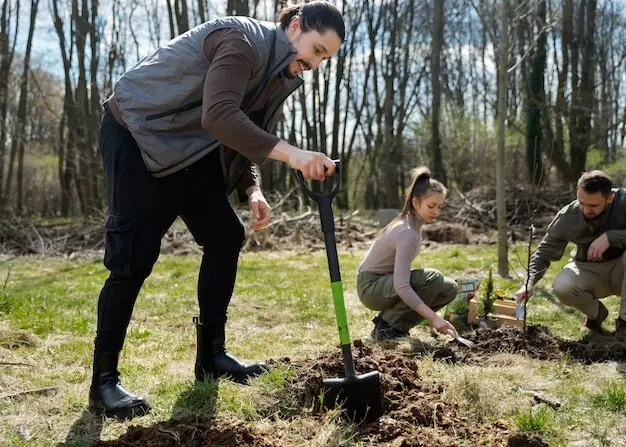
Modest budgets go far when neighbours lend tools and time. Seek micro‑grants from local councils, water company programmes, or the National Lottery Community Fund, and accept donated plants from gardeners dividing clumps. With a simple design, string lines, spades, barrows, and cheerful marshals, a weekend transforms a verge. Clear roles, tea breaks, and a tidy finish invite compliments on Monday morning and make future permissions, partnerships, and sponsorships easier across your wider community network.

Stories from Across the UK

Real experiences win hearts faster than diagrams. From a Leeds cul‑de‑sac where puddles vanished after three planters, to a Bristol primary where parents noticed safer, drier drop‑offs, to a Glasgow tenement that swapped soggy lawns for buzzing swales, results feel immediate. These stories spread through WhatsApp groups and street newsletters, proving that small, neighbour‑led steps can cool hot pavements, delight children, and protect rivers long after the clouds pass and the sun peeks through.

Measure, Celebrate, and Grow the Network

Tracking results turns good intentions into persuasive evidence. Count fewer puddles after storms, note pollinator visits, and log maintenance minutes saved compared with repeated sweeping. Share data, stories, and photos across neighbourhood groups, and invite nearby streets to copy your design. Host seasonal tours, encourage school projects, and tag progress on social media. The more people see friendly, low‑cost solutions working locally, the faster they become confident collaborators in creating resilient, welcoming places.

Before‑and‑After Data that Wins Hearts

Simple measurements like puddle length, time to drain after rain, and number of gully blockages tell a powerful story. Pair them with photos from the same angle and weather. Add notes on wildlife visitors and comments from passers‑by. This mix of numbers and narrative convinces decision‑makers and neighbours alike. When you publish a one‑page summary, it becomes a template others can reuse, accelerating adoption and helping the whole community speak with clear, confident evidence.

Sharing Skills Across Postcodes

Host short, cheerful workshops on your verge, demonstrating soil mixes, planting techniques, and inlet maintenance. Lend a spade, share your grant application, and publish a cost breakdown with lessons learned. Invite a council officer or water company representative to answer questions. These informal exchanges cut through jargon and show that ordinary residents can deliver excellent outcomes. Every postcode that borrows your playbook multiplies resilience, helping streets across the UK adapt together with creativity, care, and pride.
Tavolaxipalopexifarifexo
Privacy Overview

This website uses cookies so that we can provide you with the best user experience possible. Cookie information is stored in your browser and performs functions such as recognising you when you return to our website and helping our team to understand which sections of the website you find most interesting and useful.