Embedding Rain Gardens in UK SuDS and Local Planning


Dive into embedding rain gardens within UK SuDS policy and local planning processes, turning guidance and statutory expectations into practical, attractive interventions that manage runoff, improve water quality, and create richer places. We connect NPPF expectations, LLFA consultations, Welsh SAB approvals, and devolved nation requirements with clear design, delivery, and stewardship actions. Expect stories, checklists, and insights you can apply this week. Share your challenges in comments, ask questions for tricky sites, and subscribe for ongoing templates, metrics, and case-led inspiration.

Policy Landscape Without the Jargon

Understanding who decides, what they weigh, and when they say yes is half the journey. Here we unpack how national frameworks and local practice set expectations for rain gardens, why wording in conditions matters, and where to invest your energy before drawings even start. You will learn how policy ambitions translate into measurable outcomes, what reviewers need to recommend approval, and how to avoid delays by aligning strategy, evidence, and maintenance commitments from day one.

Designing Rain Gardens for Compliance and Delight

Compliance is non-negotiable, but delight wins hearts and sustaining budgets. The most successful rain gardens balance hydraulic performance with planting character, microhabitats, and comfortable edges that invite people to linger. By translating runoff volumes into compelling forms, you create assets that satisfy engineers, planners, and local communities alike. Here we turn standards into spatial decisions that are beautiful, legible, and tough enough for real weather, curious children, and maintenance teams under pressure.

01

Right-size basins with robust hydrology and clear performance targets

Start with contributing areas, design storms, and infiltration data to size storage and treatment confidently. Calibrate inlet, forebay, and underdrain capacities for storms that matter locally, and model exceedance pathways through curbs or spillways. Document assumptions, state maintenance sensitivity, and visualize water levels clearly. When reviewers see transparent calculations and understandable sections, they approve faster. When contractors understand tolerances, they build better edges, safer depths, and reliable freeboard that endures.

02

Soils, media, and underdrains that protect water quality and roots

Media composition drives filtration, plant vigor, and pollutant capture, so specify proportions, compaction limits, and organic content precisely. Consider underdrains with upturned outlets where groundwater is high, and include inspection ports for easy monitoring. Separate construction traffic to preserve infiltration, and require proof-of-compaction testing. Add geotextiles only where clogging risks justify them. These details transform good intentions into dependable performance, reducing sediment hotspots while giving roots oxygen, resilience, and room to grow.

03

Planting palettes for all seasons, pollinators, and low maintenance

Blend resilient perennials, shrubs, and grasses that tolerate wetting and drying cycles, then layer groundcovers to suppress weeds and frame maintenance access. Prioritize native or near-native species supporting pollinators, and stagger flowering for year-round interest. Consider salt tolerance near carriageways, and specify mulch budgets for the first two years. A planting strategy that reads beautifully in winter convinces committees, while clear schedules and replacement policies reassure asset managers and neighborhood volunteers.

Planning Applications that Win Support

Approvals come faster when every consultee finds their question answered without hunting. A persuasive application connects drawings, calculations, and narratives, proving that the rain garden controls quantity, improves quality, enhances amenity, and boosts biodiversity. Equally, it shows construction practicality and fair maintenance burden. Treat reviewers as collaborators: anticipate their constraints, demonstrate safety, and align with local policy wording. Transparent choices, referenced guidance, and vivid visuals build trust and reduce conditions that slow delivery.

Delivery, Adoption, and Long‑Term Stewardship
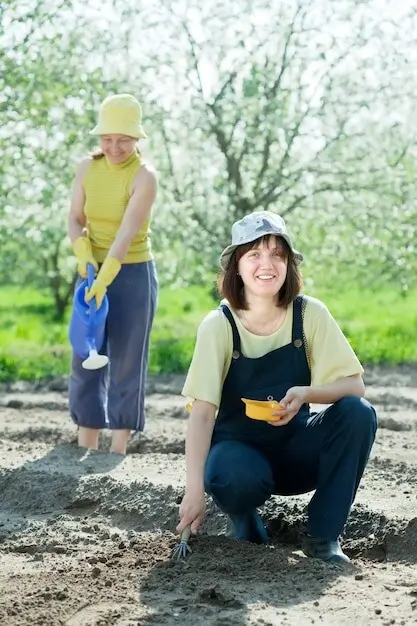
Great drawings can still fail on site without disciplined sequencing and clear ownership. Protect soils, control sediment, and hand over with training and funded maintenance. Adoption routes differ: highway authority, management company, or landowner. Be explicit about inspections, trigger points, and record drawings. Track assets in GIS, budget for renewals, and monitor performance. When stewardship is visible and shared, rain gardens mature gracefully, costs stabilize, and communities feel confident shaping future green streets together.

Construction sequencing that safeguards infiltration capacity
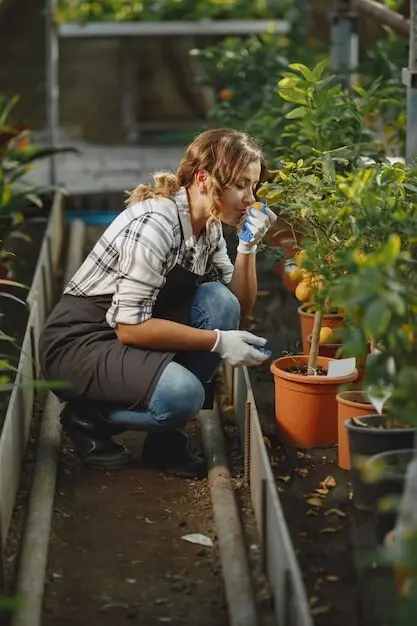
Sequence works to keep heavy plant off future basins, stockpile media on geotextile, and cap finished surfaces only after upstream areas stabilize. Install erosion control, sacrificial inlets, and temporary sediment traps. Require photo logs at milestones and infiltration verification before planting. This disciplined choreography preserves porosity and avoids rework. Contractors appreciate clarity; inspectors appreciate measurable checks. Your rain garden starts life uncompacted, clean, and poised to prove performance during its very first storm.

Clarifying ownership, adoption paths, and legal agreements

Before approval, document who will own, inspect, and fund each element, distinguishing landscapes, structures, and drainage hardware. Confirm adoption criteria with highway authorities and water companies, and define private management responsibilities transparently. Secure commuted sums where appropriate, and embed obligations in planning conditions or legal agreements. Clear responsibilities prevent finger-pointing after intense rainfall, keep vegetation healthy, and reassure residents that the beautiful basin outside their window is safe, maintained, and valued long term.

Maintenance plans, monitoring, and adaptive management in practice

Write concise, seasonal maintenance tasks with frequencies, safety notes, and simple trigger criteria. Train grounds teams to recognize inflow blockages, mulch levels, and plant stress, and to record actions in an asset register. Add light-touch monitoring after major storms, using photos and quick infiltration checks. Share findings with the community, celebrate volunteer days, and adjust regimes as plantings establish. When maintenance feels achievable and visible, quality stays high and costs remain predictable.

Retrofitting Streets, Schools, and Courtyards

Existing places hold the biggest opportunities. Retrofitting rain gardens into narrow streets, busy school grounds, and compact courtyards demands precision, empathy, and clever detailing. Success hinges on safe crossings, utility coordination, and intuitive wayfinding around new kerb alignments. Using precedents from projects in Sheffield and Cardiff, we demonstrate how to harvest runoff without confusing drivers or overburdening caretakers. Thoughtful phasing, early wins, and celebratory openings build confidence and unlock the next block or campus wing.

Funding, Metrics, and Co‑Benefits that Seal the Deal

Numbers convert enthusiasm into approvals. Build a business case that blends capital grants, developer contributions, and maintenance efficiencies. Quantify flood risk reduction, water quality improvements, Biodiversity Net Gain, heat mitigation, and wellbeing benefits. Use defensible assumptions and cite accepted guidance. Package co-benefits into clear, local outcomes that matter to councillors and residents. Invite readers to download templates, request a metrics walkthrough, and share funding tips that helped their project cross the finish line.

01

Building a business case that passes tough appraisals

Structure costs by element, phase, and risk. Show avoided drainage infrastructure, reduced resurfacing from cooler pavements, and streamlined grounds maintenance from resilient planting. Reference natural capital valuations where appropriate, but keep sensitivity tests honest. Map benefits to policy objectives cited by your planning authority. When reviewers see prudent contingencies and measurable outcomes, their confidence grows. Ask readers to comment with grant sources and lessons, creating a living bank of tactics that accelerate delivery.

02

Quantifying biodiversity gain, cooling, and liveability benefits

Use accepted biodiversity metrics to evidence habitat uplift, and specify species-rich mixes with seasonal structure. Model shade and surface temperature change for heat-prone streets, and capture wellbeing through greening indicators tied to local health strategies. Translate improvements into photos, short testimonies, and simple dashboards. This clarity helps officers defend approvals and residents champion maintenance. Share your monitoring methods in the comments, and we will compile community-tested approaches into future guidance everyone can trust.

03

Co‑design and participation that unblock permissions and pride

Invite residents, traders, and maintenance crews to shape edges, seating, and sightlines before submission. Host kerbside mock-ups, use chalk to trace basin extents, and gather feedback on crossings and deliveries. Participation surfaces operational wisdom that prevents objections later. Credit contributors on signage to nurture ownership. Ask readers to post their favorite engagement techniques, templates, and stories below. Together we build a generous playbook that turns cautious communities into enthusiastic partners of resilient, flourishing streets.

Tavolaxipalopexifarifexo
Privacy Overview

This website uses cookies so that we can provide you with the best user experience possible. Cookie information is stored in your browser and performs functions such as recognising you when you return to our website and helping our team to understand which sections of the website you find most interesting and useful.