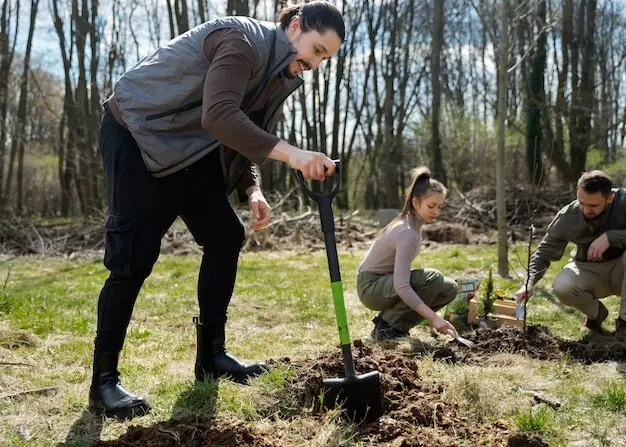
Unlock Support for Greener Streets and Resilient Communities

Today we dive into funding and grants for community rain garden projects across the UK, exploring where money comes from, how to build a compelling case, and what partners expect. Expect practical steps, inspiring stories, and real‑world guidance for permissions, design, and delivery. Share your postcode, ambitions, and biggest hurdles in the comments, and subscribe for upcoming deadlines, example budgets, and templates that shorten applications and strengthen outcomes.

Mapping the UK Funding Landscape

Money flows from a diverse mix of public bodies, local authorities, water companies, corporate foundations, and community trusts, each with distinct priorities. Understanding eligibility across England, Scotland, Wales, and Northern Ireland helps align proposals with resilience, biodiversity, and social impact goals. By matching objectives with funder language, you reduce friction, sharpen relevance, and unlock practical partnerships that sustain planting, maintenance, and engagement beyond the ribbon‑cutting moment.

Public Programmes and National Agencies

National programmes often prioritise climate adaptation, flood risk reduction, health, and inclusion, making rain gardens a natural fit when outcomes are measurable and equitable. Explore opportunities where community wellbeing, green skills, and resilient infrastructure intersect. Look for guidance notes that mention SuDS or nature‑based solutions, and align your evidence to local flood history, biodiversity gains, and volunteer involvement to convincingly link everyday stewardship with wider environmental benefits.

Local Authorities and Regional Collaborations

Councils can offer small grants, in‑kind support, and introductions to highways, parks, and planning teams who unlock permissions. Regional collaborations, including catchment partnerships and resilience boards, help connect rain garden benefits to larger flood pathways and water quality priorities. Demonstrate local demand with letters of support from schools, resident groups, and traders, and show how your planting complements street trees, active travel routes, and existing maintenance schedules across seasons.

Corporate, Utilities, and Charitable Foundations

Corporate social responsibility funds, utility community schemes, and trusts backing environmental education frequently support practical, visible projects that inspire volunteers and showcase measurable benefits. Emphasise safety, accessibility, and inclusive engagement, and propose staff volunteer days that add hands while building local pride. Foundations appreciate clear budgets, co‑funding, and commitments that anchor long‑term care, making it easier to invest confidently in multi‑year stewardship and seasonal refreshes.

Building an Irresistible Case for Support
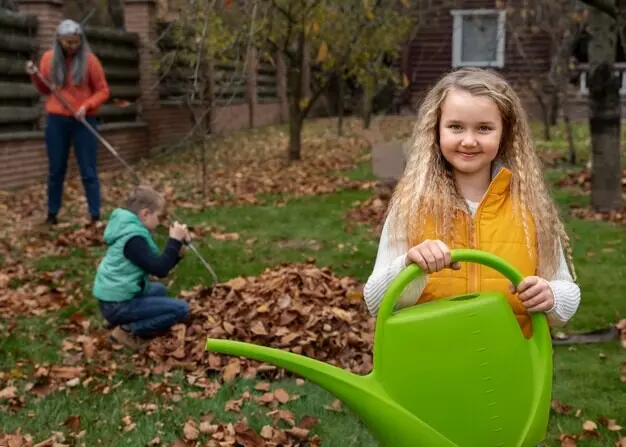
A strong proposal bridges science and storytelling, quantifying runoff reduction while spotlighting neighbours who will plant, water, and learn together. Translate benefits into outcomes funders recognise: fewer puddles, cooler pavements, pollinator habitat, outdoor learning, and improved mental wellbeing. Back claims with maps, photos, and quotes, and structure a transparent budget that respects contingencies, volunteer training, and maintenance, proving success will last long after the celebration photo fades.

Design, Permissions, and Duty of Care

Great funding attracts confidence when design, permissions, and safety are thought through. Show you have landowner consent, understand utilities and sightlines, and respect accessibility and maintenance access. Reference appropriate SuDS guidance, plant lists for varying soils, and safe construction sequencing. Clarify who insures events, who signs off risk assessments, and how your group communicates with highways or estates teams. Preparation reassures panels their support will translate cleanly into grounded delivery.

Timelines, Seasons, and Deliverability
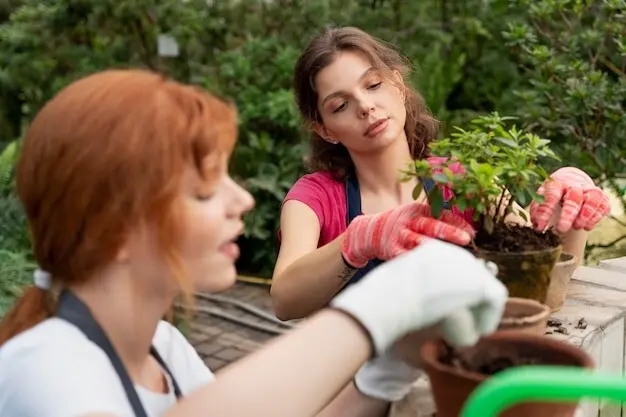
Align your schedule with planting windows, local events, and grant decision timetables. Break delivery into manageable phases, starting with quick‑win beds at visible corners, then expanding to curbside planters and school edges. Lock in suppliers early, secure community dates, and confirm storage. Build in evaluation checkpoints, photo diaries, and maintenance training. A paced, public journey keeps momentum, reassures backers, and ensures enthusiastic volunteers meet realistic tasks without burning out.

Stories That Inspire Action

Real places prove what funding can unlock. A northern estate slowed driveway runoff with curbside planters, inspiring neighbours to steward weekend watering. A coastal town school transformed a splashy entrance into an outdoor classroom where maths, art, and rainfall meet. A high‑street traders’ group installed planters that brightened facades, reduced puddles, and drew new footfall. Each started with simple goals, careful partnerships, and the courage to begin where puddles already lingered.

A Northern Estate Finds Its Flow

Residents noticed standing water after every storm, so a small grant funded test planters along a busy cut‑through. Children helped choose tough plants, while caretakers monitored puddle depth with rulers. Within weeks, photos showed clearer paths and buzzing pollinators. Confidence grew, match funding followed, and a seasonal care rota took shape. Modest investment, visible results, and trusted champions combined to unlock the next three beds with broad community backing.

Coastal Classrooms Plant with Purpose

Teachers partnered with a local conservation charity to reimagine a puddled entrance as a living lab. Funding covered tools, signage, and training. Pupils tracked rainfall, counted bees, and explained overflow stones to families during pickup. The PTA organised watering rotas and bake‑sale match funding. With each storm, excitement replaced frustration, and the school published a simple guide so neighbouring primaries could repeat the journey without reinventing plans, budgets, or risk paperwork.

High‑Street Planters, Lasting Pride

Shopkeepers wanted curb appeal and safer footing near deliveries, so they co‑designed planters that catch roof runoff and brighten windows. A small business grant funded materials, while a weekend build drew customers and conversations. Traders now rotate light maintenance, and a quarterly tidy invites new helpers. Seasonal photos on social feeds showcase blooms and dry thresholds. The result blends prettier storefronts with practical drainage, translating civic spirit into repeatable, low‑cost improvements.

Find Opportunities and Stay Ahead

Discover grants by combining national sources, local notices, and specialist networks. Check community funds prioritising health, nature, and climate resilience, and review water company or catchment partnership schemes that reward practical SuDS. Subscribe to council newsletters and environmental mailing lists, and set calendar reminders before deadlines. Share your project pitch in our comments for feedback, and we will spotlight upcoming calls, templates, and training sessions to fast‑track confident, complete applications.

UK‑Wide Sources to Watch

Look for community funds that back green spaces, outdoor learning, and climate adaptation, alongside trusts interested in water, biodiversity, and neighbourhood wellbeing. National lotteries, charitable foundations, and sector initiatives periodically open calls suited to rain gardens. Read guidance carefully, focus on outcomes, and clarify who will maintain plantings. Set alerts for reoccurring cycles and note any regional carve‑outs so your application lands precisely where it will be warmly welcomed.

Local and Regional Gateways

Councils, combined authorities, and regional partnerships often advertise microgrants, match opportunities, and introductions to highways or estates leads. Build relationships with community officers, flood teams, and parks staff who can advise on permissions and timing. Explore catchment networks connecting upstream and downstream groups. These relationships multiply resources, strengthen letters of support, and reveal small pots that, when braided together, fund signage, training, tools, and the critical aftercare every planting needs.

Build Your Alert System

Create a shared spreadsheet of opportunities, deadlines, contacts, and eligibility notes. Subscribe to newsletters from councils, environmental groups, and community networks, and set recurring reminders two weeks before submission windows. Prepare a living folder of evidence, standard photos, safeguarding policies, and budget templates. With these ready, you can tailor swiftly and submit confidently. Consistent systems turn sporadic luck into reliable wins, giving volunteers and partners trust that momentum will continue.

Tavolaxipalopexifarifexo
Privacy Overview

This website uses cookies so that we can provide you with the best user experience possible. Cookie information is stored in your browser and performs functions such as recognising you when you return to our website and helping our team to understand which sections of the website you find most interesting and useful.